TCCS offers both Support Coordination (Level 2) and Specialist Support Coordination (Level 3). Support Coordination (Level 2) – TCCS Support Coordinator will assist you to navigate your NDIS Plan, with a focus on getting the best value from your plan with flexibility and creativity to assist you to build your capacity, assist you to build your ability to exercise choice and control, link you to providers, as well as community and government services that could meet your needs, and assist you in planning and preparing for your plan review.
Community Participation
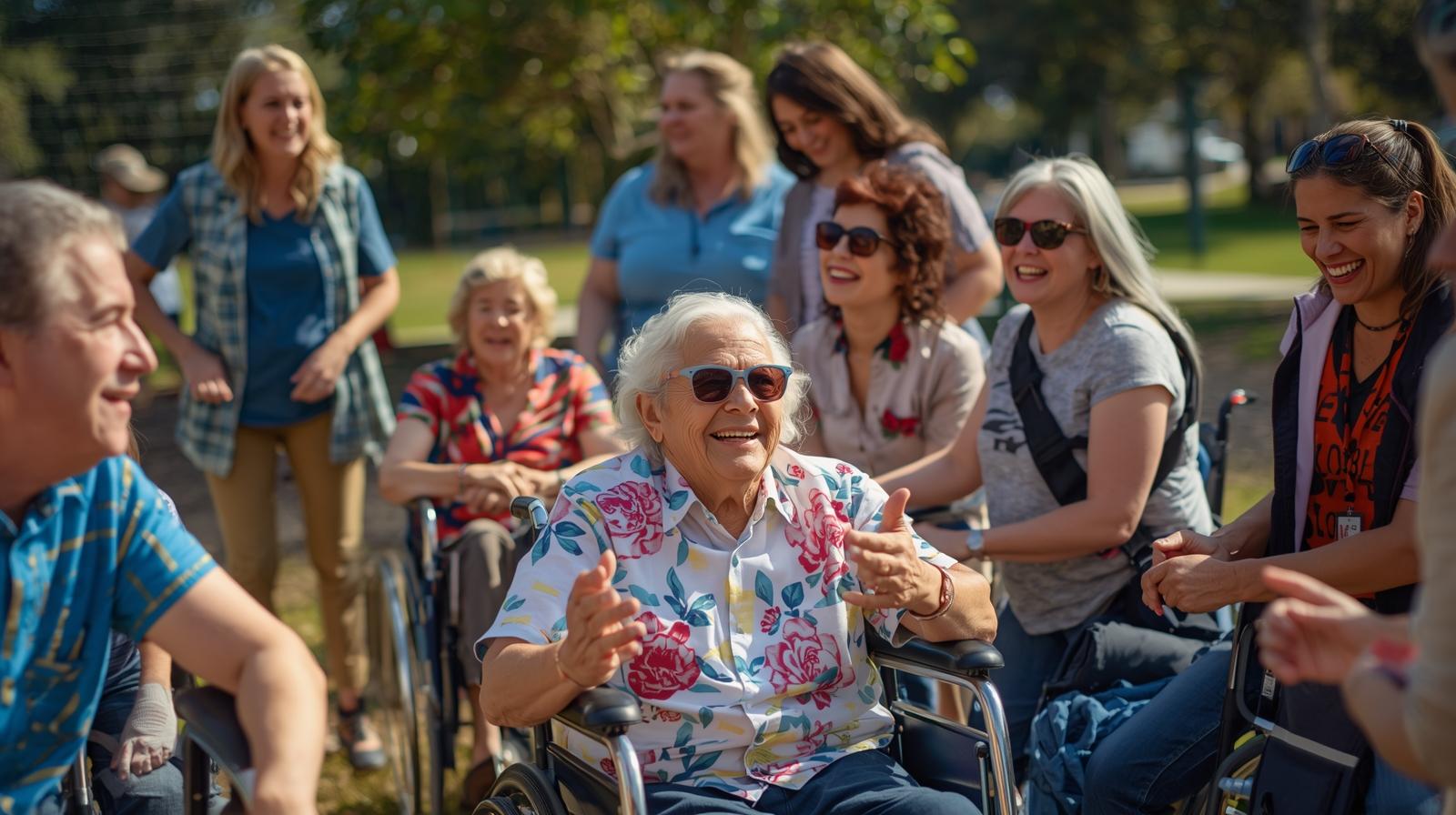
A friendly TCCS staff will support you to engage in community activities of your interest that may be shopping, visiting family / friends, participate in community events, going to library, movies or concerts etc. Or we will develop a plan together based on your interest. Our team of skilled support staff are flexible, always on the move to create an environment that is safe and encourages engagement, interaction and involvement.
Supported Independent Living (SIL)
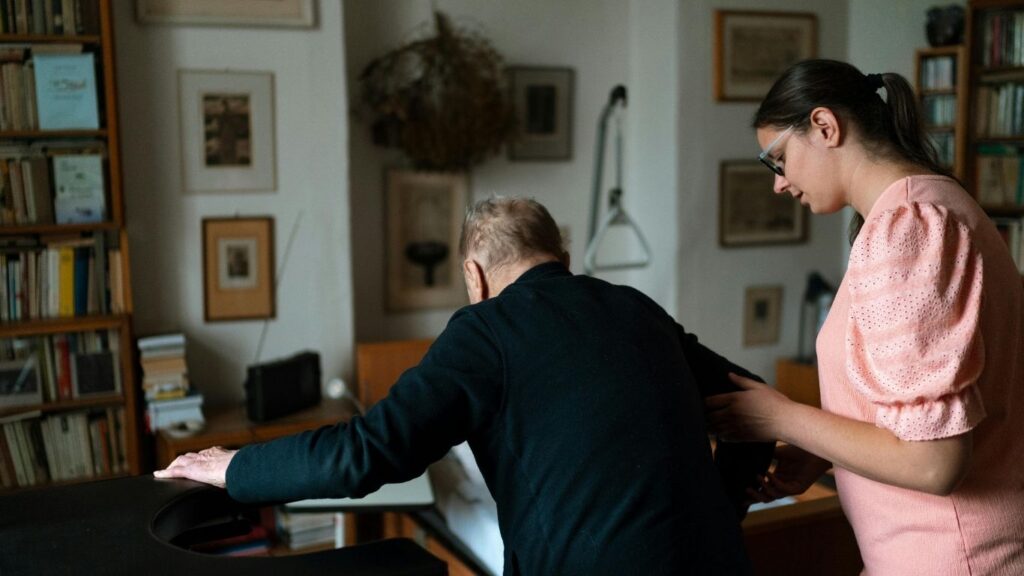
Supported independent living (SIL) are offered to participants with higher support need where some level of help at home is required at all times. This NDIS funding exists to cover the cost of the support staff in the house. Under these supports, people with disabilities will receive everyday tasks like cleaning, cooking and personal care.
Short Term Accommodation (STA)
STA, including respite, is a support where someone with a disability has a short stay away from their usual home. This gives the participant the chance to try new things, make friends and learn skills. It covers the cost of care in another place for up to 14 days at a time. TCCS provides a range of STA option for participants needing this support. We will work the participant and / or their Guardian to organise a suitable STA option.
Development of Daily Living and Life Skills
Individual Daily Living and Skills Development and Training supports participants to gain the knowledge, confidence and experience in a range of areas that provide greater independence. TCCS support services will enhance the participant’s skills to meet their expectations in order to achieve their short-term/long-term goals.
Assist Personal Activities High
People with different abilities may require two levels of support in their day-to-day life: standard and high intensity. High Intensity Supports are where specialised, more skilled or more experienced support workers may be required to deliver supports to some participants who need it. These supports are provided by qualified and experienced staff to meet the participant’s complex needs.
Assist-Life Stage Transition
TCCS Life Stage Transition program focuses on assistance to live at home, participating in your community, and coordinating your support. The transition services include: • Support with commencing school / college and /or employment. • Capacity building skills • Development of independent self-care and living skills
Community Nursing Care
TCCS community nursing care services is tailored to suit your individual health care needs to lead an independent and healthy lifestyle. TCCS nursing care services can be provided in your home and you can access these services on a regular or occasional basis. Following are some of the nursing care offered by TCCS:
Household Tasks
These support items enable participants to maintain their home environment. This may involve undertaking essential household tasks that the participant is not able to undertake. TCCS offer household help for NDIS Participants which includes cleaning in kitchens, bedrooms, bathrooms, laundry rooms, and toilets. We further assist with meal preparation, dish washing, laundry, changing bed linen, essential ironing etc.
Assist-Travel / Transport
TCCS provides ‘Assistance with Travel/ Transport Arrangements’ to participants with a disability who are unable to use public transport or private. If required, a support worker can accompany you with your travel needs. This service also allows you to develop skills in using public transport independently.
Let's Get in
Touch
Email
admin@topcarecs.com.au
Call Us
0458 734 616
Address
PO BOX 2040, Palmerston, NT 0831
We acknowledge the Traditional custodians of country throughout Australia.
We acknowledge their connections to land, sea, and community on which we live, learn, work, and connect to Australia’s First Nations Peoples.
We pay our respects to the Elders past, present and emerging and extend this acknowledgement to all Aboriginal and Torres Strait Islander people today.